Welcome to Highland Park
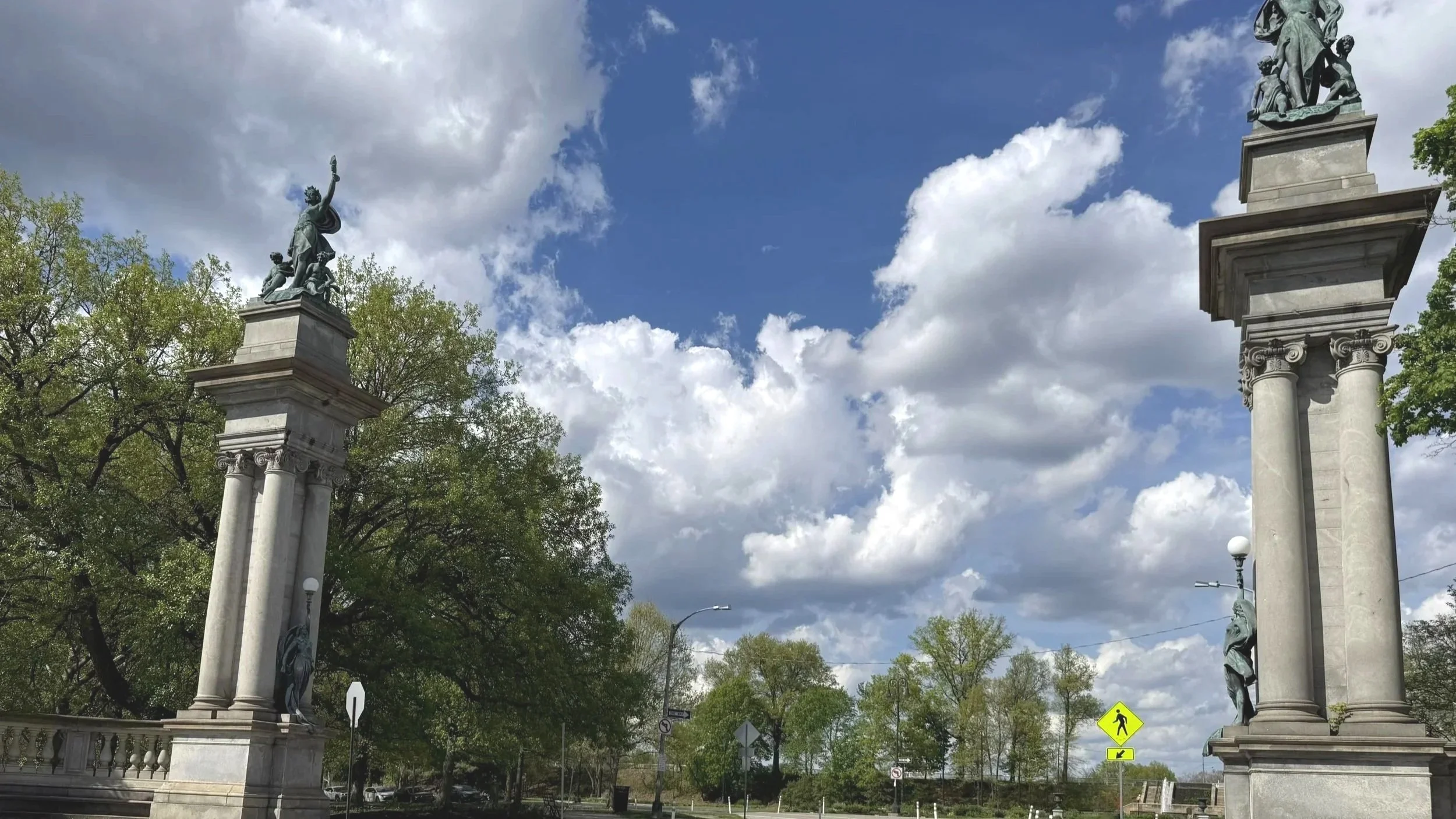
Highland Park, AKA Pittsburgh’s “Central Park”
-
The neighborhood is defined by Highland Park itself - designed by Frederick Law Olmstead who also designed NYC's Central Park. The park features walking trails, open fields, a reservoir loop, playgrounds, a public pool and the Pittsburgh Zoo & PPG Aquarium, making it a true daily lifestyle amenity for residents.
Highland Avenue and nearby corridors offer a handful of coffee shops, casual dining spots, and local staples, though the neighborhood leans more residential than retail-heavy. Residents take advantage of the flat topography and often walk or bike to nearby East Liberty, Shadyside, or Lawrenceville for a broader mix of restaurants and shopping. The overall vibe is relaxed, outdoorsy, and welcoming to all.
-
Located about 10–15 minutes from downtown, Highland Park sits on the eastern edge of the city with convenient access to East Liberty, Lawrenceville, Shadyside and Oakland. Public transit is available, and commuting is straightforward, though most residents rely on a car for daily errands outside the neighborhood.
-
Housing is one of Highland Park’s biggest draws. Expect large iconic, well-preserved homes with strong architectural character—Victorian, Colonial, and early 20th-century styles are common. You’ll also find some duplexes and smaller apartment buildings, but the neighborhood is primarily single-family. Prices typically range from the mid-$500s to $1M+, with larger homes near the park commanding a premium. Wide streets, mature trees, and spacious lots set the tone.
-
Part of Pittsburgh Public Schools, with access to nearby private options. Highland Park is known for its stable, long-term residents and strong neighborhood identity. It tends to attract buyers looking for more space, proximity to nature, and a quieter pace, while still staying close to the energy of the East End.
is calm, established, and community-oriented.